Food Safety Is a Resident Rights Issue — Are Your AFC Staff Trained?
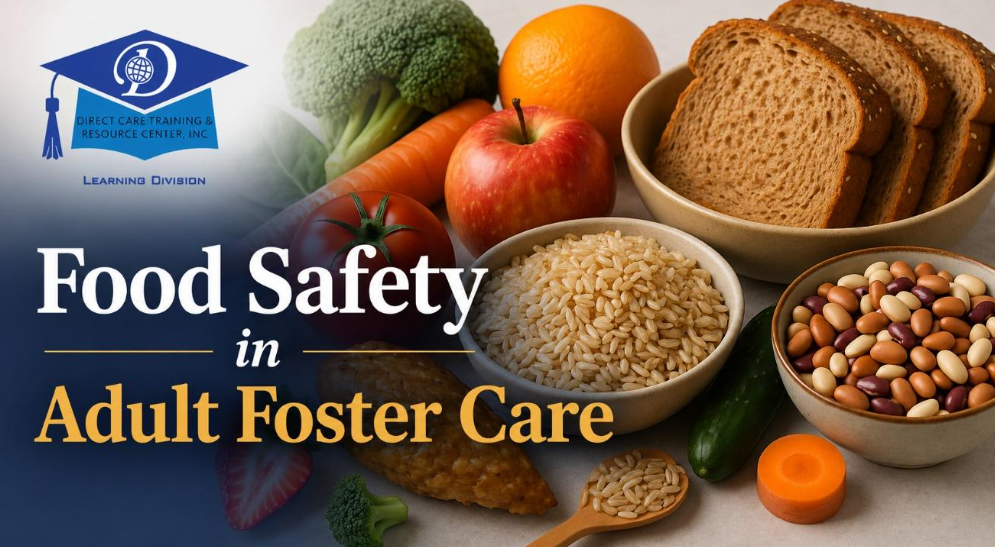
In Michigan Adult Foster Care, food safety is not optional — it is a compliance requirement, a resident dignity issue, and a direct care competency that the Michigan Strategic Training Workgroup (STWG) expects every provider to address. Food Safety in Specialized AFC Homes from Direct Care Training & Resource Center, Inc. delivers exactly that. This […]
Why Every AFC Staff Member Needs This Course: Introduction to Human Services and Meeting Special Needs
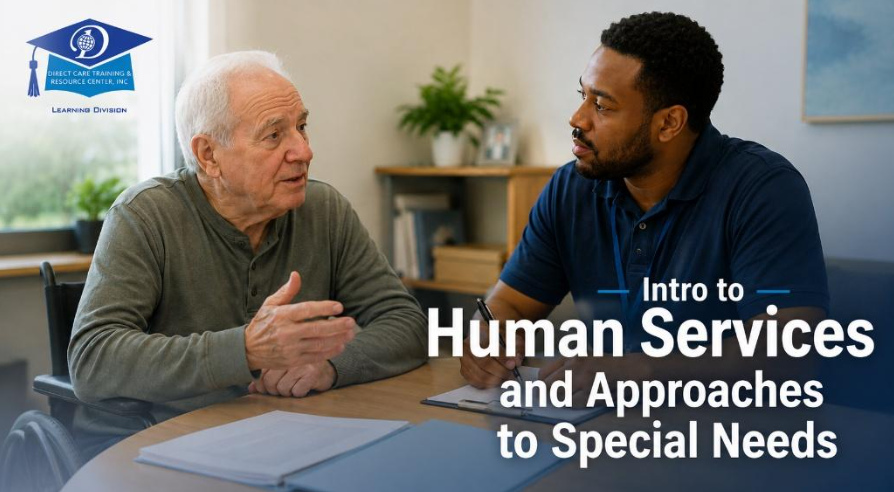
Working in Michigan Adult Foster Care means showing up every day for some of the most vulnerable people in our communities — individuals with intellectual disabilities, mental illness, autism, TBI, and complex behavioral needs. That work demands more than good intentions. It demands knowledge, skill, and confidence. Introduction to Human Services and Meeting Special Needs […]
Trained for Georgia. Built for the Work You Actually Do.

Macon, GA: There is a version of staff training that checks the box. You know it when you see it — generic content written for no one in particular, delivered in a format that asks nothing of the learner and leaves nothing behind. Georgia Personal Care Home operators have access to something different here, and […]
Continuing Education: The Quiet Force Behind Every Great AFC Provider…

Running an Adult Foster Care home in Michigan is not a static endeavor. The residents change. Their needs deepen. The regulations evolve. And the skills that made you a capable provider on the day you were licensed are not automatically the skills that will carry you through year five, year ten, or year twenty. Continuing […]
Beyond Employment: The Clinical and Environmental Power of Vocational Rehabilitation for Individuals with Mental Illness and Developmental Disabilities…
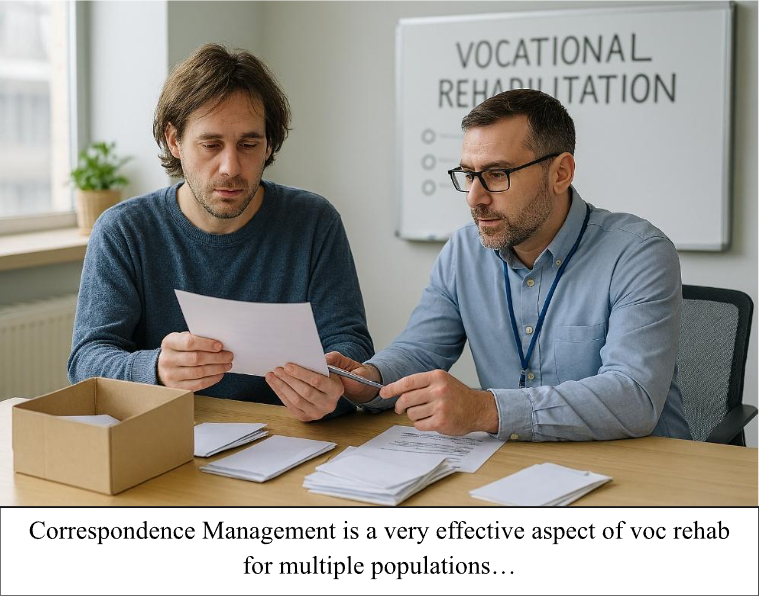
(A Trade Article with cited references) Vocational Rehabilitation (VR) has traditionally been framed as a pathway to employment. While employment outcomes remain central, a growing body of medical, behavioral, and regulatory evidence demonstrates that VR provides far broader therapeutic value—particularly for individuals with serious mental illness (SMI) and intellectual/developmental disabilities (I/DD). When properly designed, VR […]
Recreational Therapy Under Michigan No-Fault: Standards, Coding,and Practical Billing Guidance
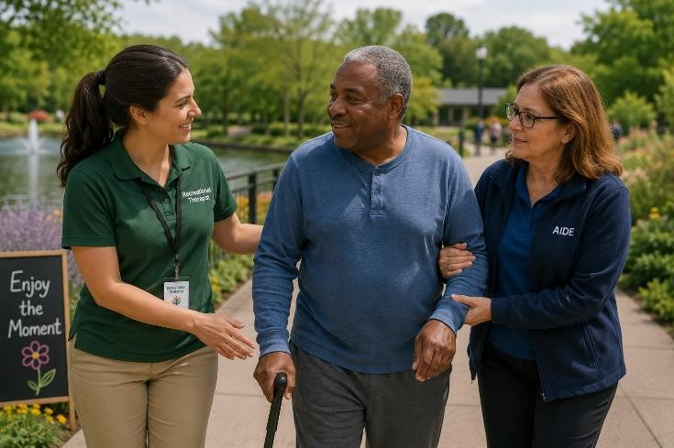
This article, authored by Bruce W. McCollum, MHA, Clinical Reimbursement Expert, provides practical guidance on the application of Recreational Therapy within Michigan’s No-Fault system. Drawing on extensive reimbursement experience, it clarifies coding standards, providerqualifications, and the distinction between therapeuticservices and general recreational activities. The discussion is intended to help providers ensure compliance, strengthen documentation, and […]
A Mixed Bowl of Cost Saving and Potential Impropriety…
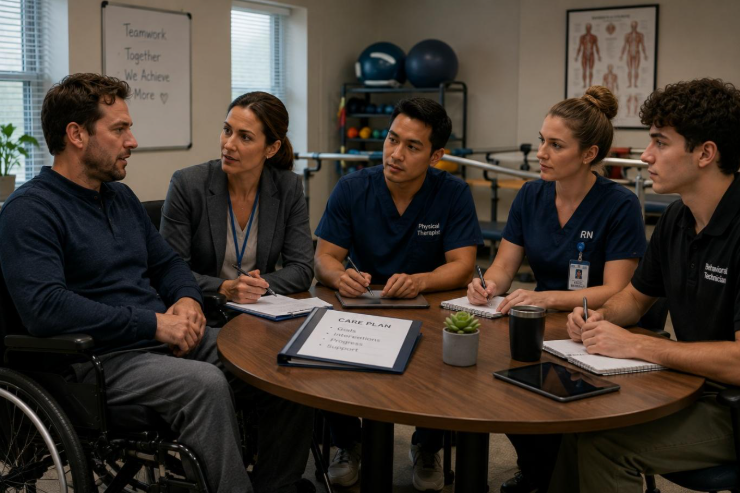
Michigan’s no-fault insurance system has never lacked tension between cost containment and the obligation to provide reasonably necessary care to catastrophically injured individuals. That tension appears to be sharpening again as insurers increase scrutiny of medical case management billings, a move many within the post-acute care industry believe could create unintended consequences far more expensive […]
A Trade Perspective for Providers, Administrators, and Behavioral Health Professionals
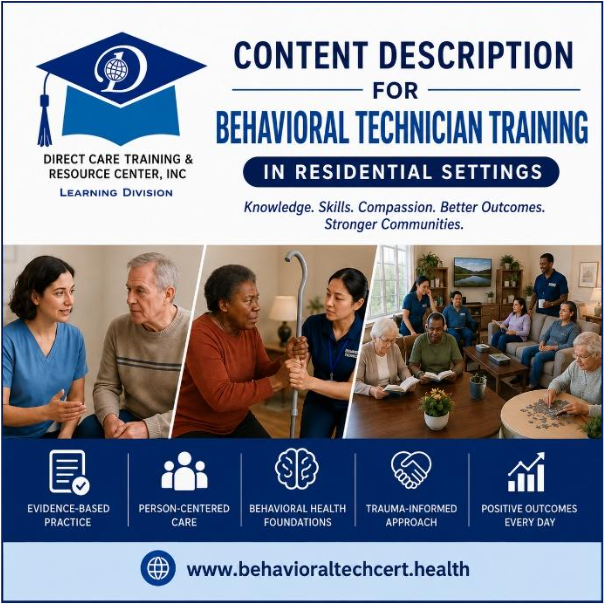
In today’s increasingly complex residential care landscape, providers are facing a convergence of challenges: higher acuity residents, more nuanced behavioral health diagnoses, co-occurring conditions, regulatory scrutiny, and a growing emphasis on person-centered, trauma-informed services. Against this backdrop, the need for comprehensive, current, and practical workforce training has never been greater. The Behavioral Technician Training Program […]
The Value of the Latest Billing Technology and What It Cannot Provide…
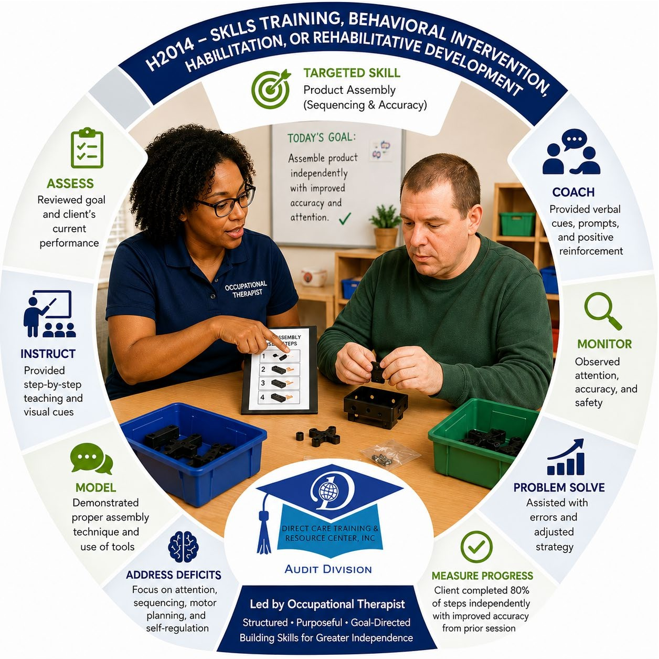
Within the Michigan No-Fault environment, the use of billing systems that align with electronic clearinghouses can provide substantial operational advantages for rehabilitation providers, residential programs, and therapy organizations. Clearinghouse-compatible systems improve billing efficiency through standardized claim formatting, electronic submission tracking, error detection, denial monitoring, remittance processing, and streamlined reimbursement communication between providers and insurers. These […]
Outreach Strategies Must Match the Year in Which You Exist…It’s 2026!
The way care providers reach referral sources, build credibility, and demonstrate value has changed more in the last three years than in the previous twenty. Whether you provide vocational rehabilitation, neuro-cognitive programming for stroke survivors and those with traumatic brain injuries, specialized residential care, or continuing education and training, one truth is unavoidable: your outreach […]