Human Trafficking Awareness Training for Medical Practice and Hospital Staff…
Medical practices and hospitals occupy a unique position for identifying trafficking victims, since many present for care without other points of contact. Medical Practice Periodic In-Service...
Planning the Financing Behind a Group Home Start-Up or Expansion…
Securing and structuring financing is one of the most consequential decisions a group home operator makes, whether opening a first home or expanding an existing operation....
Understanding Barrier-Free Environments in Group Home Care…
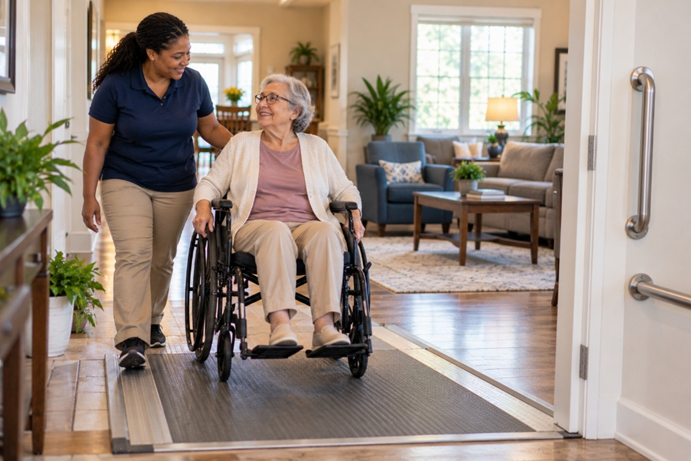
“Barrier-free” is a term that appears throughout accessibility standards and licensing language, but staff are not always given a clear, working definition of what it requires...
Recognizing and Preventing Caregiver Burnout in Group Home Settings…
Burnout among direct care staff is a documented risk to both workforce retention and resident care quality. Group Living Course 1220: Giving Your Best Without Burnout...
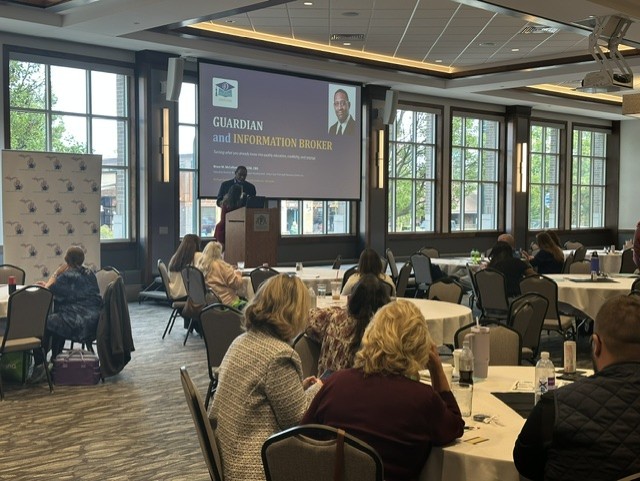
Fall 2026 Michigan Guardianship Association Event Was a Real Blast
Direct Care Training & Resource Center, Inc. was honored to participate as an exhibitor at the Fall 2026 Michigan Guardianship Association event in Traverse City. It...
Even Conditions Without Chronic Symptoms Are Still a Daily Responsibility…
Hypertension rarely announces itself, which is exactly why it demands consistent attention from staff rather than reactive care. A resident can feel entirely fine while their...
Developing A “Safety-First” Culture Costs Less Than a Claim…
Workman’s compensation claims in group living settings rarely come from a single dramatic incident — they build from repetitive strain, rushed transfers, and safety gaps that...
Before Offering Substance Abuse Services, Understand the Business Behind the Care…
Adult Foster Care owners increasingly encounter residents whose care intersects with substance use — and some consider offering or partnering with treatment services directly. Direct Care...