Why “Emotional Intelligence” Belongs in Every Caregiver’s Toolkit

Direct care work asks staff to manage more than tasks — it asks them to manage emotions, both their own and the resident’s, often in the same difficult moment. A caregiver who stays grounded while a resident lashes out, or reads frustration before it escalates, prevents crises a purely clinical skill set can’t. That’s the […]
When Seconds Count, Do Your Staff Know What a Resident Already Decided?…

When a resident has a medical emergency, direct care staff are often the first to respond and call for help — which means they’re also often the first who need to know whether an Advance Directive is already in place. Missing or misunderstanding one of these documents can mean a resident’s own wishes about their […]
Why Long-Term Medical Case Management Has Value and Might Be Necessary for the TBI Patient Exhibiting Serious Behavioral Issues…
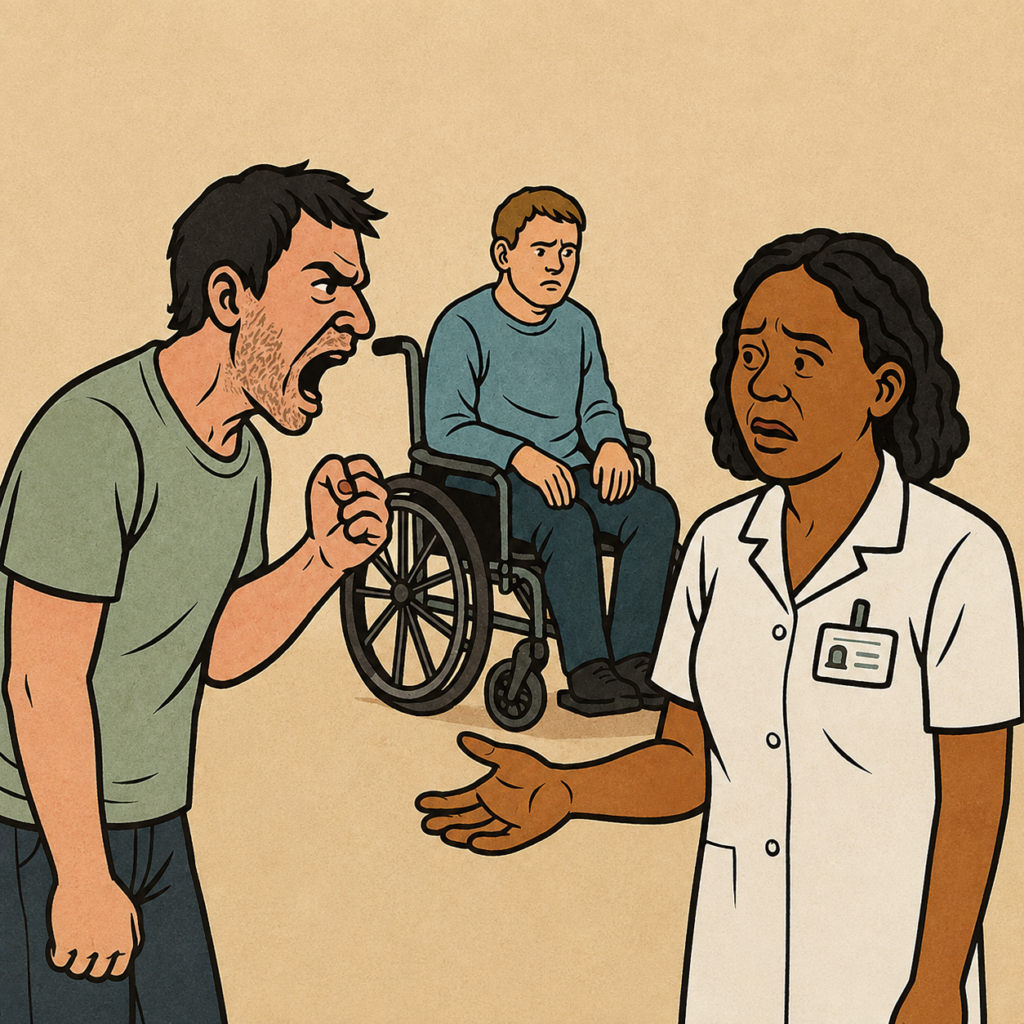
Traumatic brain injury does not resolve on a fixed timeline, and Michigan’s No-Fault framework is structured to reflect that. Under MCL 500.3107(1)(a), allowable expenses are those reasonably necessary for a claimant’s care, recovery, or rehabilitation, a standard tied to ongoing clinical need rather than time elapsed since the date of loss. For TBI patients presenting […]
Beyond Words: Why Neurological Cognitive Rehabilitation Still Matters for the Non-Communicative, Quadriplegic TBI Patient…

It is tempting to assume that cognitive rehabilitation only pays off when a patient can speak, follow multi-step commands, or report progress back to the therapist. For a non-verbal quadriplegic patient living with a traumatic brain injury, that assumption is not just wrong — it is dangerous. It can quietly justify withdrawing a service that […]
When Belief Meets Biology: Why Medication Non-Adherence Is a Life-Threatening Risk in Catastrophically Injured Patients…

For a female quadriplegic patient managing a neurogenic bladder and a chronic indwelling Foley catheter, medication is not optional — it is the thin line between stability and sepsis. Yet case managers across the field are increasingly encountering a difficult and sensitive challenge: patients who, for religious or philosophical reasons, choose to discontinue physician-directed medication […]
Referrals Follow Trust: Making Your Home a CMHA’s First Call

For AFC providers, steady referrals from Community Mental Health Agencies (CMHAs) aren’t just good for census — they’re a sign that a program has earned real trust in the local system of care. That trust doesn’t happen by accident. CMHAs place clients with providers who demonstrate transparency, clinical alignment, and consistent quality, and Direct Care […]
Running a Group Home Is Mission-Driven, But It Still Has to Make Financial Sense.

Administrators and owners who run the financial side of a group home know the tension well: the mission is caring for residents, but the doors only stay open if the numbers work. Rising costs, tight Medicaid reimbursement rates, and unpredictable census can squeeze even a well-run home. Direct Care Training’s Maximize Income in a Group […]
Food Safety Isn’t Theoretical Right Now — It’s the Headlines
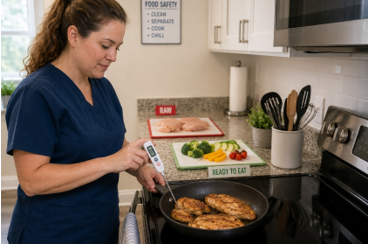
This summer, Michigan has reported thousands of cyclosporiasis cases tied to a multistate outbreak traced back to contaminated iceberg lettuce, with hospitalizations reported across the state and beyond. It’s a stark reminder that foodborne illness isn’t a rare or distant risk — it’s an active, ongoing concern, and the residents in AFC homes, many of […]
Food Safety Is Not Theoretical: Why AFC Homes Must Treat Every Meal as Resident Protection
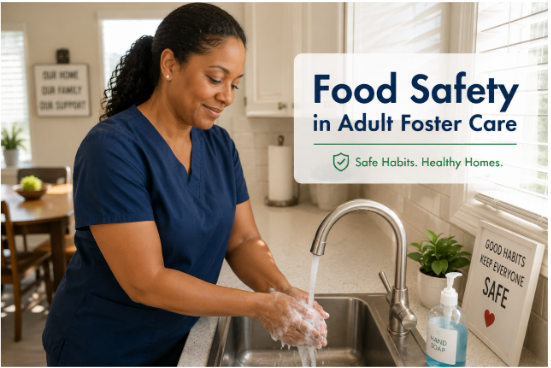
In Summer 2026, foodborne illness continues to dominate public-health headlines, reminding Michigan Adult Foster Care providers that kitchen safety is not an abstract compliance topic. A contaminated ingredient, an improperly cooled meal, or a missed recall can quickly become a serious health event. Residents of AFC homes may be older, medically fragile, immunocompromised, or managing […]
Is Your Staff Ready for the Unexpected?
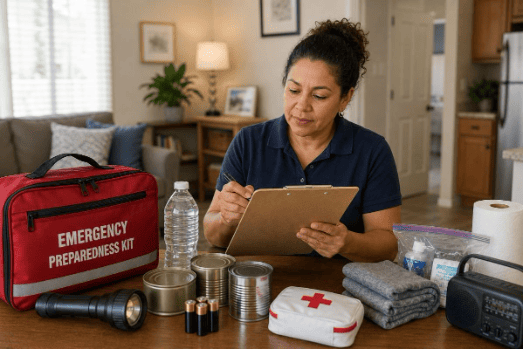
A power outage during a heatwave. A gas leak at 2 a.m. A tornado warning with residents to move safely and quickly. Emergencies in community-based care settings don’t wait for a convenient time, and staff who freeze or improvise in the moment put residents at real risk. DCTRC’s Emergency Preparedness in Community-Based Care course gives […]