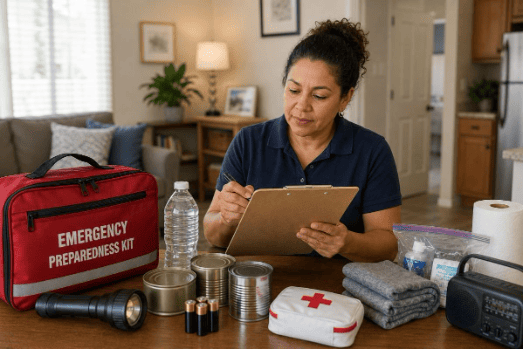
A power outage during a heatwave. A gas leak at 2 a.m. A tornado warning with residents to move safely and quickly. Emergencies in community-based care settings don’t wait for a convenient time, and staff who freeze or improvise in the moment put residents at real risk. DCTRC’s Emergency Preparedness in Community-Based Care course gives direct care staff the practical, person-centered response skills they need before a crisis ever happens.
This 3-hour self-study course is built for the full range of community-based settings — adult foster care, supported living, community living supports, and group homes alike — and covers the emergencies staff are actually likely to face: severe weather, utility failures, fire safety, poisoning, and even less common but serious events like bomb threats. Rather than generic checklists, the course walks through what to recognize, how to respond safely, and how to keep residents’ dignity and comfort central even in high-stress moments.
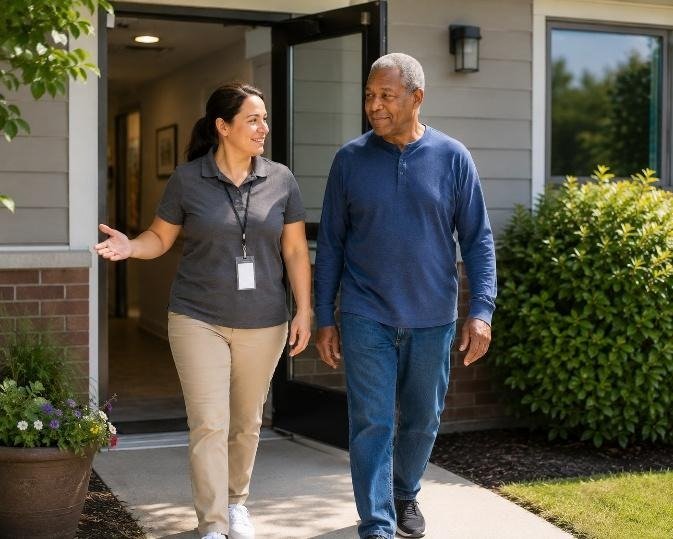
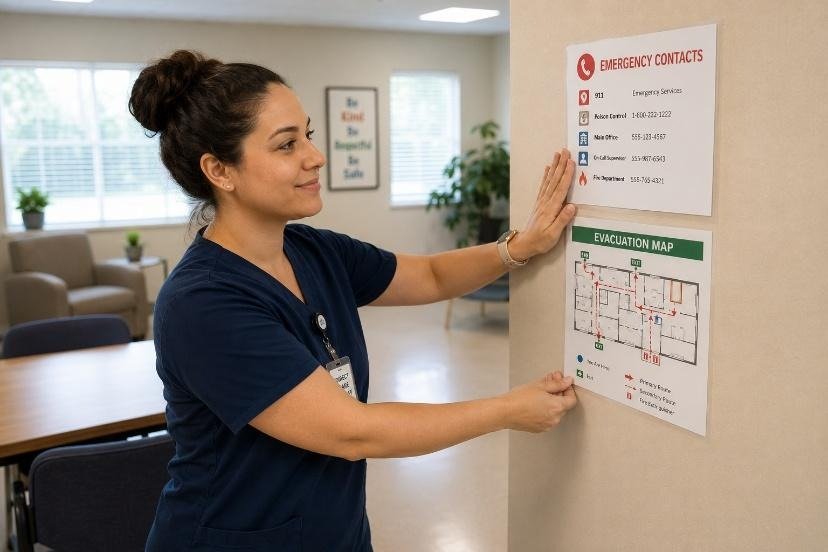
The course is aligned with Michigan licensing standards, MIOSHA safety guidance, and CDC emergency preparedness practices, and reflects the November 2025 Consolidated AFC Administrative Rules — so your organization can be confident staff are trained to the current regulatory standard, not an outdated one.
Preparedness isn’t optional in this field — it’s a core part of quality care. Give your team the confidence to respond calmly and correctly when it matters most.
Enroll today: Emergency Preparedness in Community-Based Care

Another Blog Post by Direct Care Training & Resource Center, Inc. Photos used are designed to complement the written content. They do not imply a relationship with or endorsement by any individual nor entity and may belong to their respective copyright holders.
| Follow us in the Social Stratosphere… | ||||
|


