A Discharge Done Wrong Can Cost More Than the Resident’s Placement

Discharging a resident is one of the most legally sensitive actions a group home can take. Whether it’s driven by medical needs, behavioral concerns, financial issues, or policy violations, get the process wrong and a home risks resident harm, regulatory violations, and real liability. Direct Care Training’s Group Living Course 1257: Managing Discharges from the […]
A Stiff Morning Isn’t Just a Bad Mood — It Might Be Arthritis Talking

Chronic arthritis can turn everyday tasks — getting dressed, walking to the dining room, opening a jar — into real sources of pain, and residents don’t always say so directly. Staff who understand what arthritis actually does to the body are far better equipped to offer help that respects both comfort and independence. Direct Care […]
Behind Every Difficult Behavior Might Be a Story Your Staff Doesn’t Know

A resident who lashes out, withdraws, or reacts strongly to an ordinary request isn’t always being difficult — they may be responding to trauma staff never knew existed. Without training to recognize that, well-meaning caregivers can misread the moment and unintentionally make it worse. Direct Care Training’s Course 1256: Being Prepared to Understand and Render […]
A Fast, Free Tune-Up for Your Home Care Operation

Running a home care operation means juggling regulatory compliance, client safety, marketing, and day-to-day management all at once — and it’s easy for small gaps to turn into big problems. Direct Care Training’s Key Success Principles in Home Care Services is a free micro course built to help providers tighten up the fundamentals without a […]
Whose Voice Guides the Decision When a Protected Person Can’t Speak for Themselves?

Guardians are regularly asked to make medical decisions on behalf of someone else — a responsibility that sits at the intersection of law, ethics, and deeply personal values. Getting it right means knowing not just what’s legally permitted, but what genuinely honors the wishes of those they work to protect. Direct Care Training’s Ethical Medical […]
The Casino Fits in a Pocket Now — Is Your Home Watching For It?

Gambling addiction used to require a trip to a casino. Now it’s a tap away, built into phones and apps designed with the same persuasive techniques as social media — and residents with limited daily structure and disposable income are exactly who those platforms target. Direct Care Training’s Group Living Course 1264: Managing Gambling Addictions […]
Being Withdrawn Isn’t Always “Just Having a Bad Day”

A resident who stops joining meals, sleeps more than usual, or seems flat and withdrawn is easy to write off as having an off week. But for many residents in adult family care homes, those same signs point to clinical depression — a treatable condition that goes unaddressed far too often simply because staff aren’t […]
Pressure Sores Don’t Have to Happen — If Your Staff Catches Them Early
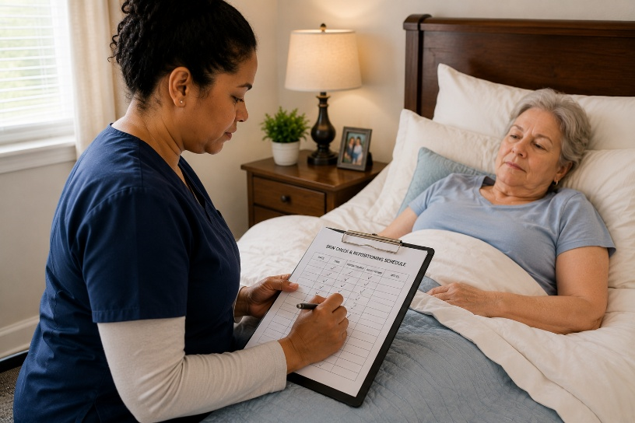
A pressure sore that starts as a small patch of reddened skin can, if left unnoticed, turn into a serious wound that’s painful for the resident and costly to treat. The good news: most pressure injuries are preventable with consistent daily practices. Direct Care Training’s Group Living Course 1119: Wound Prevention & Management gives residential […]
RSV Isn’t Just a Childrens’ Illness — Your Residents Are at Risk Too

RSV tends to get talked about as a childhood illness, but for older adults and residents with underlying respiratory or immune conditions, it can turn serious fast — and care staff are often the first to notice the warning signs. Direct Care Training’s Group Living Course 1258: Supporting Clients with RSV in Care Settings (6 […]
Medicaid Waivers Open Doors — If You Know How to Navigate Them

Families, case managers, guardians, and advocates all run into the same wall: Medicaid waiver programs can unlock life-changing home and community-based services, but eligibility rules, application steps, and covered services vary widely by state. Without the right guidance, vulnerable individuals — including those with Alzheimer’s — can miss out on support they qualify for. DCTRC’s […]