Transitioning to Apartment Style Programs and the Justification…

For many individuals living in group settings following a catastrophic injury, the preference for greater independence is understandable. Apartment-style living offers privacy, autonomy, and a sense of normalcy that congregate group homes cannot always provide. Under Michigan’s No-Fault system, however, a transition from group residential care to an apartment setting is rarely a matter of […]
Bridging Private Pay to Medicaid: How a Michigan AFC Provider Supports a Resident’s Transition to the MI Choice Waiver…
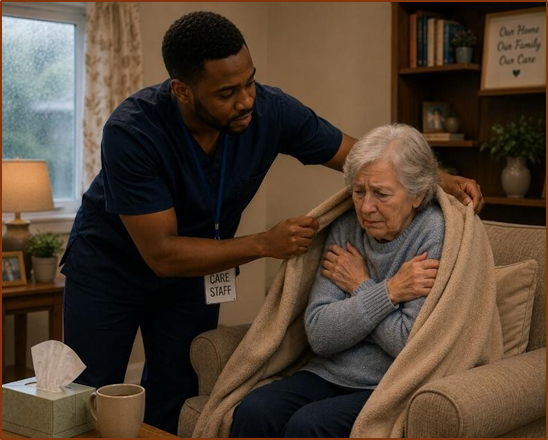
When a resident who has been paying privately for adult foster care begins to exhaust their funds, the transition into Medicaid coverage is one of the most consequential events in that individual’s care trajectory. Handled well, it is nearly seamless to the resident. Handled poorly, it can mean a forced discharge, a disrupted care plan, […]
The Task List Gets Care Done. The Philosophy Behind It Gets Care Right.

It’s easy for direct care work to become a checklist — meals served, medications given, tasks completed. But the field has been shifting for years toward something deeper: relationship-centered, respectful support built around the person, not the convenience of the system. Direct Care Training’s Philosophy and Current Trends in Providing Human Services (4 hours) grounds […]
A Well-Planned Menu Is a Health Intervention, Not Just a Meal

What a resident eats affects far more than mealtime satisfaction — it shapes chronic disease management, hydration status, and overall health outcomes. Staff who understand nutrition, not just meal prep, are positioned to catch problems early and support residents in making genuinely better choices. Direct Care Training’s Nutritional Protocol for Adult Foster Care builds that […]
Every New Hire Needs the Same Foundation Before Anything Else

Before a new direct care worker learns your home’s specific routines, they need something more fundamental: a real understanding of who they’re serving and why the human services field approaches care the way it does. Direct Care Training’s Intro to Human Services and Approaches to Special Needs builds exactly that foundation from day one. The […]
A Service Change Isn’t Just Paperwork — It’s a Resident’s Right in Motion

When a resident’s services are reduced, denied, or changed, specific protections kick in — and staff don’t need to be legal experts to play a critical role. They do need to recognize when those protections apply and know how to support a resident without ever blocking their rights. Direct Care Training’s Due Process, Grievances and […]
What Staff Assume About Autism Can Shape a Resident’s Whole Day

Common myths about autism spectrum disorder still shape how some staff interpret behavior, communication, and needs — and those misreadings can lead to support that misses the mark entirely. Direct Care Training’s Autism Spectrum Disorder (ASD) – Things to Know replaces assumption with accurate, practical understanding in a fast, focused format. This 1.5-hour self-paced course […]
When Police Arrive, Your Staff Are the Bridge to a Safe Outcome
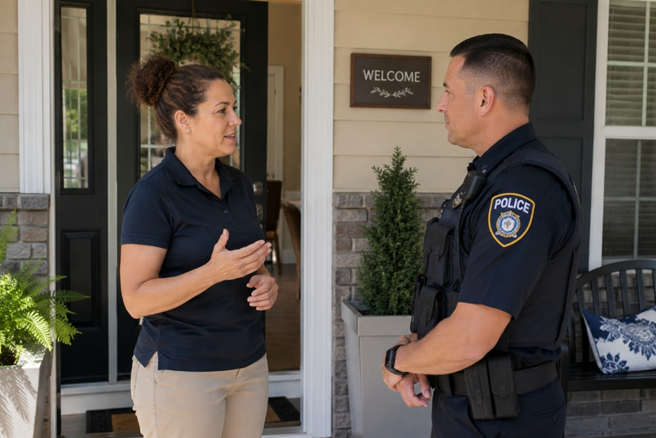
When a behavioral incident escalates far enough to require police, the minutes before and during their arrival matter enormously. Staff who can communicate clearly with 911 and brief officers effectively help ensure the situation is resolved safely for the resident, the responding officers, and everyone else in the home. Direct Care Training Center’s Course 1251: […]
Professionalism Isn’t Just What You Do — It’s How You Carry Yourself Doing It

Clinical skill matters in residential care, but so does something harder to put a checklist on: how staff carry themselves in front of residents and families. A caregiver’s tone, composure, and conduct shape trust just as much as the tasks they complete. Direct Care Training’s Course #1250: Defining and Maintaining the Best of Personal Decorum […]
That Denial Letter Isn’t the Final Word — If You Know How to Respond

For providers caring for catastrophically injured auto accident survivors, a denied or delayed No-Fault payment isn’t just a paperwork headache — it puts real revenue and resident care at risk. Adjusters routinely lean on a familiar set of excuses to avoid paying, and providers who don’t know how to push back can end up absorbing […]