
Non-clinical personnel play a vital role in rehabilitation and medical environments, often serving as the bridge between patients, providers, and administrative systems. To excel in these roles, a durable foundation in healthcare operations is essential.
Here are key areas of recommended reading:
- Billing Protocols and Compliance
Understanding billing processes—especially in complex systems like Michigan’s No-Fault auto insurance—is critical. Resources such as Medicare Billing Guidelines and Michigan No-Fault Fee Schedule Updates provide clarity on documentation standards, coding accuracy, and compliance requirements. This knowledge helps prevent costly errors and ensures timely reimbursement. - Patient Interaction and Communication
Non-clinical staff frequently interact with patients during vulnerable moments. Books like The Art of Patient Communication and Empathy in Healthcare offer strategies for building trust, explaining procedures, and maintaining professionalism. These skills enhance patient satisfaction and reduce misunderstandings. - American Healthcare System Fundamentals
A comprehensive understanding of how hospitals, rehabilitation centers, and insurers operate is invaluable. Essentials of the U.S. Health Care System by Leiyu Shi and Douglas Singh is an excellent primer, covering everything from managed care to regulatory frameworks. - Michigan No-Fault Specifics
For those working in auto-related rehabilitation, familiarize yourself with the Michigan Department of Insurance and Financial Services (DIFS) No-Fault Guide. It explains allowable expenses, attendant care rules, and recent legislative changes impacting rehabilitation billing.
Investing time in these resources not only strengthens operational efficiency but also elevates the quality of patient support. Knowledge is the cornerstone of exceptional care—even for those outside the clinical sphere.
Billing Protocols & Insurance Knowledge
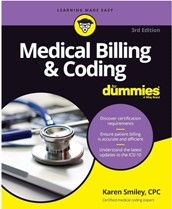
- Medical Billing & Coding For Dummies by Karen Smiley – A foundational guide to CPT/ICD‑10 coding, claim workflows, and compliance essentials for beginners.
- Fordney’s Medical Insurance and Billing (17th ed.) by Linda M. Smith – A reference-driven text ideal for handling payer policies and revenue cycle management.
- Understanding Health Insurance: A Guide to Billing and Reimbursement by Michelle Green – Covers insurance plan types, insurer provider billing relationships, and reimbursement structures. 💬 Patient Interaction & Communication
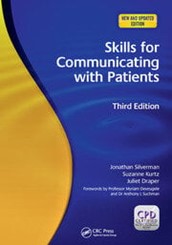
- Skills for Communicating with Patients (3rd ed.) by Silverman, Kurtz & Draper – Offers practical frameworks for empathy-led conversations and patient experience enhancement.
- Patient-Centered Communication: The Seven Keys to Connecting with Patients by Natacha Moreno – Covers mindful listening, clear explanation, and compassionate dialogue. 🇺🇸 American Healthcare System Overview
- Essentials of the U.S. Health Care System by Leiyu Shi & Douglas Singh – A concise guide to U.S. healthcare delivery, payment models, managed care, and public policy.
Michigan No‑Fault System Details:
- Michigan’s Auto Insurance Law Publication – Official State of Michigan guide detailing PIP, fee schedules, and attendant care limits under no‑fault.
Michigan Auto Insurance Reform Explained – Summarizes the 2019 reform’s impact on choice of coverage levels, fee schedules, and attendant care caps. [michiganautolaw.com] - Sinas Dramis “Protecting the Injured” Guide – A free consumer & provider brochure outlining rights, PIP options, and no‑fault law changes.
These resources will equip non‑clinical team members with practical billing knowledge, patient communication skills, system-wide healthcare understanding, and specialized insights into Michigan’s no‑fault landscape. Enjoy.

Another Blog Post by Direct Care Training & Resource Center, Inc. Photos used are designed to complement the written content. They do not imply a relationship with or endorsement by any individual nor entity and may belong to their respective copyright holders.
| Follow us in the Social Stratosphere… | ||||
|


