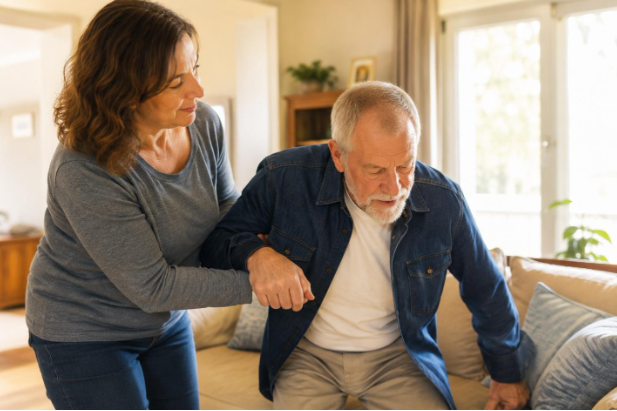
As Michigan’s Adult Foster Care (AFC) system continues to serve residents with increasingly complex medical needs, the line between “residential care” and “clinical care” has grown thinner every year. Group homes that once housed residents with primarily behavioral or developmental support needs are now, in many cases, also caring for individuals who depend on ventilators, feeding tubes, seizure protocols, or fragile skeletal conditions. This shift demands more than good intentions — it demands structured, condition-specific training. That is the reasoning behind Course 1143: How to Develop and Manage Group Living Programs for the Medically Fragile, a 4-CEU training designed to help administrators, nurses, and direct care staff build programs that are both compassionate and clinically sound.
Defining What “Medically Fragile” Really Means: The term gets used loosely across the field, but it carries real operational weight. A resident classified as medically fragile typically has one or more chronic or acute conditions that require heightened monitoring, specialized equipment, or rapid clinical response. Understanding the clinical criteria — not just the label — is the first step toward building a program that keeps residents safe without over-restricting their independence. The course walks providers through this definition along with the legal, ethical, and operational considerations that come with serving this population under Michigan’s Consolidated AFC Administrative Rules.
Recognizing the Full Range of Complex Conditions: Medical fragility does not look the same from resident to resident. One individual may be managing a progressive neurological condition, another arespiratory or cardiopulmonary diagnosis, and another a mobility impairment or brittle bone condition that requires deliberate handling protocols. Staff who understand the specific risks tied to each condition — rather than applying a one-size-fits-all approach to “fragile” residents — are far better equipped to prevent injury, catch early warning signs, and respond appropriately when something changes.
Building Real Clinical Competence, Not Just Checklists: Compliance paperwork can confirm that a training happened. It cannot confirm that a caregiver actually knows what to do when a resident’s oxygen saturation drops or a seizure protocol needs to be initiated. This course emphasizes competency-based staff development — orientation, ongoing in-service training, and documentation that demonstrates real readiness, not just attendance. For administrators, this is also the difference between a program that merely satisfies a regulator and one that genuinely protects residents and staff alike.
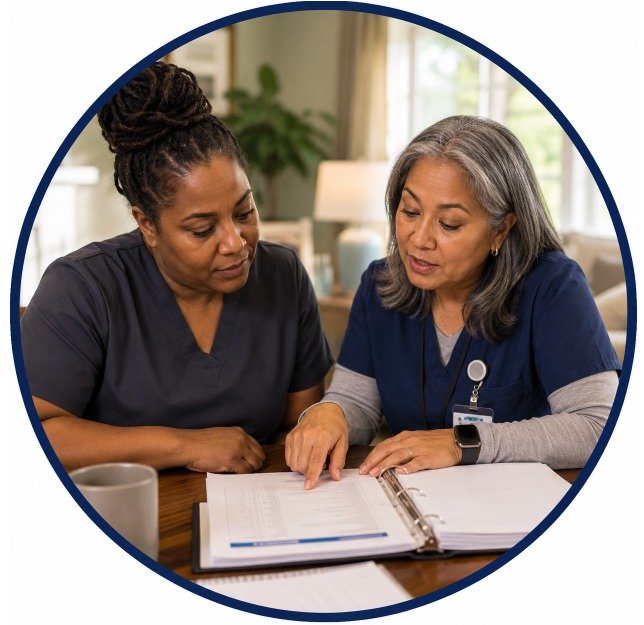
Strengthening Collaboration with Medical Professionals: No group home operates in isolation from the broader medical system. Physicians, nurses, and therapists play an essential role in care planning, risk management, and clinical oversight for medically fragile residents. The course provides practical guidance on building and sustaining these partnerships so that clinical expertise is woven into daily care — not just consulted after something goes wrong.
Turning Training into Risk Management and Quality Assurance: Perhaps most valuable for administrators is the course’s connection between condition-specific safeguards and ongoing quality assurance. Incident review, policy updates, and QA tracking are only as good as the training that precedes them. When staff understand the “why” behind a protocol — not just the “what” — programs adapt faster to resident needs and hold up better under regulatory and payor scrutiny.
In Conclusion: Caring for medically fragile residents in a group living setting is one of the most demanding — and most important — responsibilities in direct care work today. Course 1143 was built specifically to help Michigan Adult Foster Care providers meet that responsibility with clarity and confidence: defining medical fragility accurately, understanding the conditions behind it, building genuine clinical competence among staff, and strengthening the medical partnerships that keep residents safe. For any home serving — or considering serving — medically fragile residents, this training is a foundational step toward programs built on safeguards, not guesswork.
Visit and take the class:
Course 1143: Serving the Medically Fragile in Group Homes →

Another Blog Post by Direct Care Training & Resource Center, Inc. Photos used are designed to complement the written content. They do not imply a relationship with or endorsement by any individual nor entity and may belong to their respective copyright holders.
| Follow us in the Social Stratosphere… | ||||
|


